
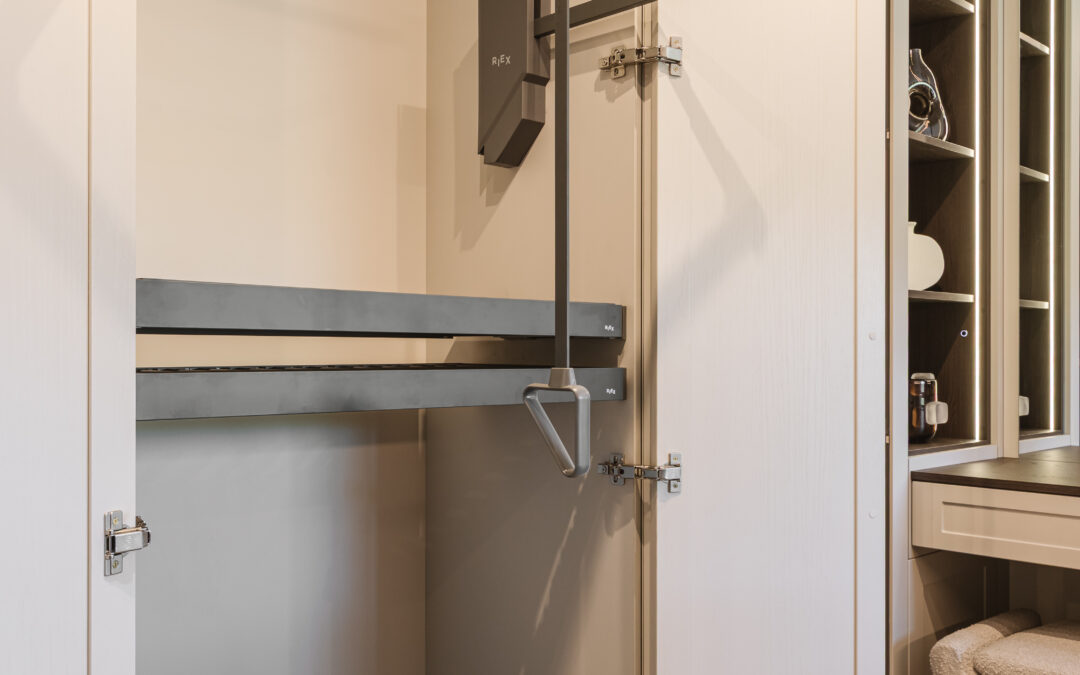
A well-organised wardrobe can make your bedroom feel calmer, more spacious and easier to use every day. When every item has a place, getting ready becomes simpler, clothing is easier to find, and your room naturally feels more considered.
The best wardrobe organisation ideas are not just about tidying what you already have. They are about creating a storage system that suits your lifestyle, clothing and space. Whether you have a fitted, sliding, walk-in or freestanding wardrobe, the right layout can make all the difference.
At Enhance Sliding Wardrobes, we design and fit bespoke wardrobes across Northern Ireland, helping customers create storage that is both practical and beautifully organised. In this guide, we’ll share how to organise your wardrobe properly, from decluttering and zoning to drawers, shelves, shoes and accessories.
Start By Taking Everything Out
Before reorganising your wardrobe, it helps to start with a completely clear space. Take everything out so you can properly see what you own and understand how much storage you really need.
This may feel like a bigger task at first, but it gives you a much clearer starting point. It also helps you spot patterns, such as having more folded clothes than hanging items, too many shoes without dedicated storage, or seasonal pieces taking up everyday space.
Once everything is out, give the interior a quick clean before putting anything back. This is especially useful if you have sliding wardrobe tracks, shelves or drawers that collect dust over time.
Decide What You Actually Wear
A wardrobe works best when it is designed around the items you genuinely use. Before organising, separate your clothing into simple groups:
- Items you wear regularly
- Seasonal pieces
- Occasion wear
- Items to donate, sell or recycle
- Items that need repairing or cleaning
Be honest about what earns its place. Clothing that no longer fits, no longer suits your lifestyle, or has not been worn in a long time can quickly take up valuable space. The aim is not to create a perfect showroom wardrobe. It is to create a wardrobe that feels useful, calm, and easy to manage.
Group Clothes By Category
Once you know what is staying, group similar items together. This is one of the simplest ways to organise your wardrobe properly because it makes everything easier to find.
You might group items by:
- Shirts and blouses
- Trousers and jeans
- Dresses
- Jackets and coats
- Knitwear
- Sportswear
- Workwear
- Occasion wear
Once each category has its own area, the wardrobe becomes much easier to maintain. You can also see where you may need more hanging space, drawers or shelving.
Keep Everyday Items At Eye Level
The items you wear most often should be the easiest to reach. Keep everyday clothing at eye level or within comfortable reach, while less frequently used items can be stored higher up or further back. This simple approach helps your wardrobe work with your routine.
Work clothes, casual favourites and frequently used accessories should be easy to access. Seasonal clothing, spare bedding or occasional pieces can sit in higher compartments or less prominent areas.
Top Tip: If you are designing a new wardrobe, this is one of the most important principles to consider during the planning stage.
Make The Most Of Hanging Space
Hanging space is essential, but it should be planned carefully. Not every item needs a full-height hanging section. Long hanging space is useful for dresses, coats and longer garments. Short hanging space works well for shirts, blouses, jackets and folded trousers. If you do not have many long items, double hanging rails can make much better use of vertical space.
A well-planned fitted wardrobe can include different hanging zones, allowing you to separate clothing by type, person or season.
Use Drawers For Smaller Items
Drawers are one of the best wardrobe storage solutions for smaller items. They help keep clothing and accessories hidden, protected and easy to organise.
Drawers work well for:
- T-shirts
- Knitwear
- Sportswear
- Underwear
- Jewellery
- Belts
- Scarves
- Accessories
Instead of stacking everything on open shelves, drawers help keep items neater for longer. Drawer dividers can also help keep smaller items separate, making everyday use much easier.
Fold Knitwear And Heavier Items
Some clothing is better folded than hung. Knitwear, heavy jumpers and delicate pieces can stretch if left on hangers for too long. Fold these items neatly and store them in drawers or on shelves. If you use shelves, avoid stacking too high, as tall piles can quickly become untidy. Smaller stacks are easier to manage and help you see what you have.
This is especially useful in fitted wardrobes where shelving can be designed to suit the type and amount of clothing you own.
Create Dedicated Shoe Storage
Shoes often create clutter when they do not have a dedicated place. They can end up along the floor, at the bottom of the wardrobe or spread across the bedroom. Good shoe storage keeps footwear visible, protected and easy to access. Depending on your wardrobe design, this may include:
- Open shoe shelves
- Pull-out shoe racks
- Angled shelving
- Lower wardrobe compartments
- Storage boxes for seasonal shoes
If shoes are a major part of your wardrobe, it is worth planning this from the beginning rather than trying to fit them in afterwards.
Use Shelving For Bags, Boxes And Seasonal Items
Shelving is ideal for items that do not need to hang or sit in drawers. Handbags, storage boxes, hats, folded knitwear and seasonal clothing can all work well on shelves. Higher shelves are particularly useful for things you do not use every day, such as holiday clothing, spare bedding or occasion pieces.
If you are planning a bespoke wardrobe, adjustable shelving can give you more flexibility over time. This allows the wardrobe to adapt as your storage needs change.
Think About Accessories Properly
Accessories are often the reason wardrobes become messy. Belts, scarves, jewellery, ties and small items can easily get lost if they do not have a proper place. Dedicated accessory storage can make a big difference. This might include shallow drawers, internal compartments, hooks, trays or small shelving areas.
When accessories are easy to see and reach, they are more likely to be used and less likely to create clutter.
Use The Full Height Of The Wardrobe
If your wardrobe does not use the full height of the room, you may be missing valuable storage. Floor-to-ceiling fitted wardrobes are particularly effective because they reduce wasted space above the wardrobe. Higher sections can be used for items you need less often, while everyday clothing stays lower down.
This approach works especially well in smaller bedrooms or lofts, where every inch matters. It creates more storage without taking up additional floor space.
Keep Shared Wardrobes Clearly Divided
If you share a wardrobe, clear zones are essential. Without them, one person’s clothing can quickly drift into another’s space, making the whole wardrobe harder to maintain.
A shared wardrobe may include separate hanging areas, individual drawers, divided shelving or clearly planned sections for each person. When the interior is designed around how both people use the wardrobe, the space feels calmer and easier to manage.
Organise By Season
Seasonal organisation can help prevent your wardrobe from feeling overcrowded. Keep current-season clothing within easy reach and move off-season pieces to higher shelves, storage boxes or less-used sections.
For example, heavy coats and winter knitwear may not need to take up prime wardrobe space during summer. Likewise, holiday clothing and lighter pieces can be stored away during colder months. This simple habit can make your wardrobe feel more spacious throughout the year.
Make Awkward Spaces Work Harder
Not every bedroom has a simple layout. Alcoves, sloped ceilings, narrow corners and unusual room shapes can make wardrobe organisation more difficult if you are relying on standard furniture. A bespoke wardrobe can turn these awkward areas into useful storage. Lower sections beneath sloped ceilings can be used for drawers or shoes, while taller areas can be used for hanging rails.
If your bedroom has a challenging layout, made-to-measure furniture can help you create a more organised space without compromising on style.
Avoid Overfilling The Wardrobe
A wardrobe should have breathing space. When every rail, drawer and shelf is packed tightly, it becomes much harder to keep organised. Try to leave room between hanging items, avoid overloading drawers, and keep shelves manageable. This makes clothing easier to see and helps the wardrobe feel more considered.
A well-organised wardrobe is not just about fitting everything in. It is about making everything easy to use.
Plan Storage Before Choosing Finishes
When designing a new wardrobe, it can be tempting to focus first on door styles, colours and finishes. While these are important, the interior layout should come first. Think about what you own, how you get ready, and what currently frustrates you about your storage. Once the layout is right, the exterior finish can be chosen to complement your bedroom.
At Enhance Sliding Wardrobes, our designers will talk through these details during your free design appointment, helping you create a wardrobe that looks beautiful and works properly day to day.
How A Bespoke Wardrobe Helps You Stay Organised
A bespoke wardrobe makes organisation easier because it is designed around your space and your belongings from the beginning. Instead of adapting your clothing to fit standard furniture, the wardrobe is created around how you live. Hanging space, drawers, shelving, shoe storage and accessories can all be planned carefully, giving everything a dedicated place.
This is especially valuable for fitted wardrobes, sliding wardrobes and walk-in wardrobes, where the layout can be tailored in detail.
Ready To Create A More Organised Bedroom?
At Enhance Sliding Wardrobes, we design, manufacture and fit bespoke wardrobes for homes across Northern Ireland. With over 30 years of experience, appointment-only studio showrooms in Dungannon and Lisburn, and our own in-house team, we can help you create storage that feels practical, personal and beautifully organised.
Book a free design appointment and bring along rough measurements and images of your space.
FAQs
What is the best way to organise a wardrobe?
The best way to organise a wardrobe is to start by decluttering, then group clothing by category and keep everyday items within easy reach. Use hanging space, drawers, shelving and shoe storage according to what you actually own and wear.
How do I maximise wardrobe space?
You can maximise wardrobe space by utilising the full height of the wardrobe, adding double hanging rails, using drawers for smaller items, creating dedicated shoe storage, and keeping seasonal items in higher or less-used areas.
Is it better to hang or fold clothes?
It depends on the item. Shirts, dresses, jackets and trousers are usually best hung, whereas knitwear, jumpers and heavier items are often better folded to prevent stretching.
How do I organise a small wardrobe?
For a small wardrobe, focus on vertical storage, double-hanging rails, drawers, slim shelving and regular decluttering. Avoid overfilling the wardrobe and keep the items you use most often within easy reach.
Can a fitted wardrobe help with organisation?
Yes. A fitted wardrobe can be designed around your exact storage needs, with dedicated sections for hanging clothes, drawers, shoes, accessories and seasonal items. This makes it easier to keep everything organised in the long term.
Do I need exact measurements before a design appointment?
No. Rough measurements and a few images of your space are sufficient for your first design appointment. If you decide to proceed, Enhance will arrange a precise measurement at your home before production begins.